
Hidden Gems in Luxor: 8 Secret Ancient Sites Most Tourists Miss
Hidden Gems in Luxor: Discover Lesser-Known Ancient Sites Beyond the Crowds
When travellers think of Luxor, iconic landmarks like Karnak Temple and Valley of the Kings usually come to mind. However, Luxor holds far more than its famous attractions. Scattered across the West and East Banks are remarkable yet often overlooked archaeological sites that reveal a deeper, quieter side of ancient Egypt—perfect for travellers seeking unique experiences away from crowded tourist paths.
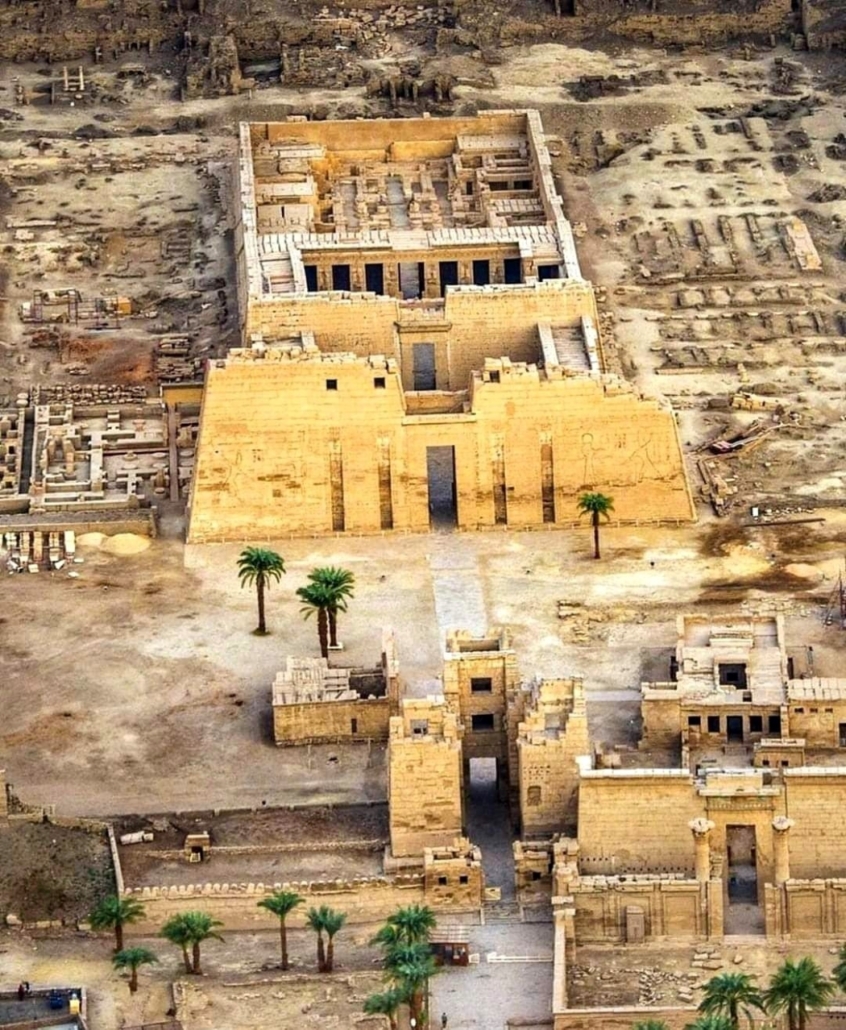
Medinet Habu: The Best-Preserved Temple You’ve Never Heard Of
One of Luxor’s most impressive hidden treasures is Medinet Habu, the mortuary temple of Ramesses III.
This vast complex stands out for its exceptional state of preservation. Its towering walls and detailed reliefs vividly depict military victories, including battles against the Sea Peoples.
Unlike more crowded sites, visitors can explore its courtyards and halls in near silence, allowing for a more immersive historical experience.
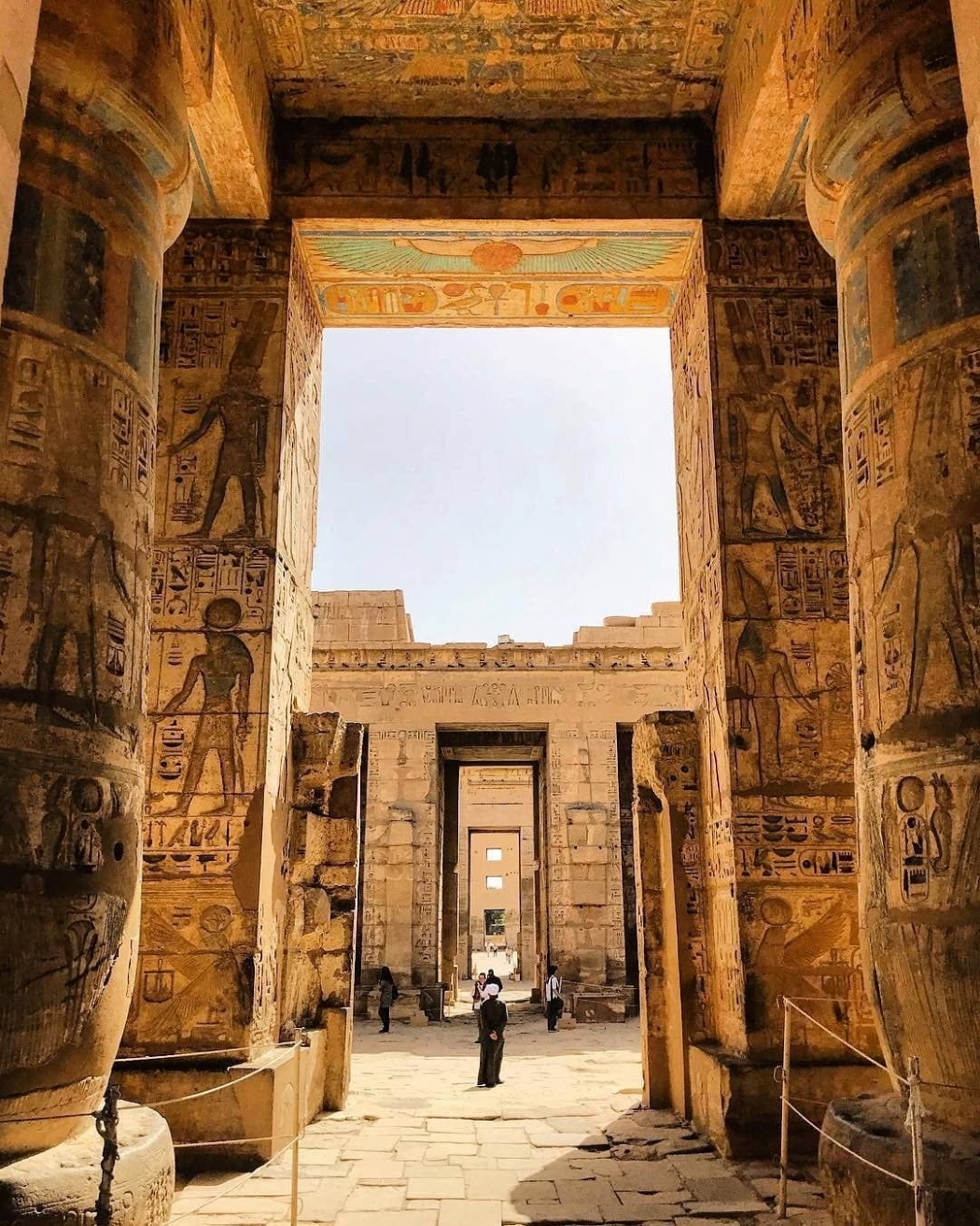
The remaining colors on the walls provide a rare glimpse into how vibrant ancient Egyptian temples once were.
The Ramesseum: A Poetic Symbol of Lost Power
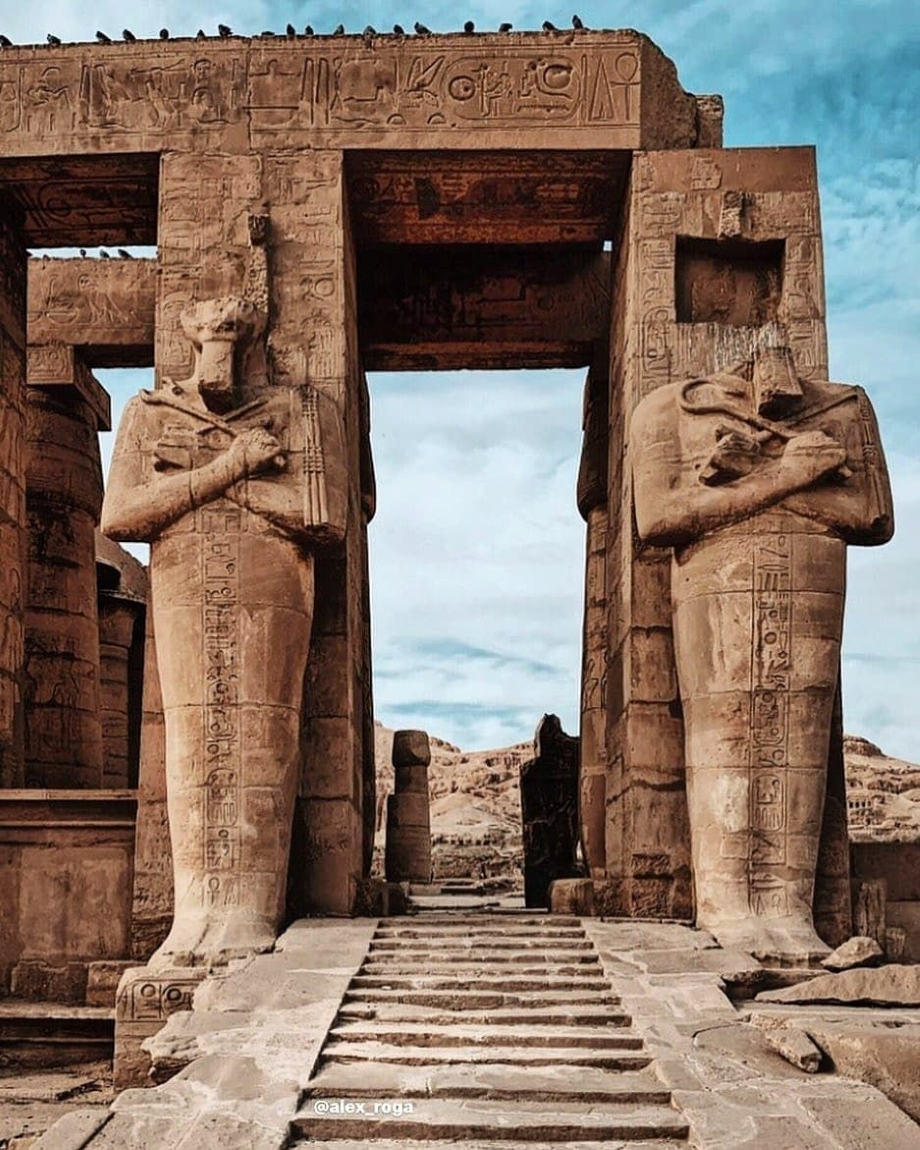
Another underrated site is the Ramesseum, the funerary temple of Ramesses II.
Though partially ruined, its atmosphere is deeply evocative.
Massive fallen statues lie scattered across the site, symbolizing both the grandeur and impermanence of pharaonic power.
The temple famously inspired the poem (Ozymandias), making it a place where literature and history intersect.
Its quiet setting makes it ideal for thoughtful exploration.
Tomb of Ramose: Where Art and History Converge
The Tomb of Ramose offers a unique artistic experience.
It reflects a transitional period in ancient Egyptian history, combining traditional artistic styles with the more naturalistic Amarna style introduced during Akhenaten’s reign.
This blend provides valuable insight into a time of religious and cultural transformation.
For visitors interested in art history, this tomb is a true hidden gem.
Tombs of the Nobles: Daily Life in Ancient Egypt
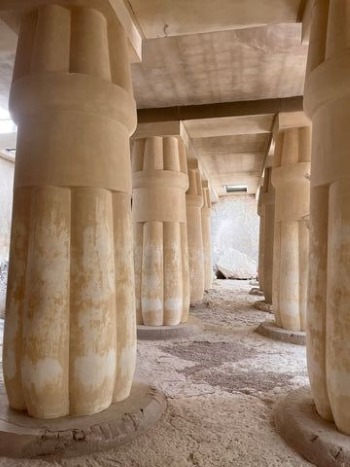
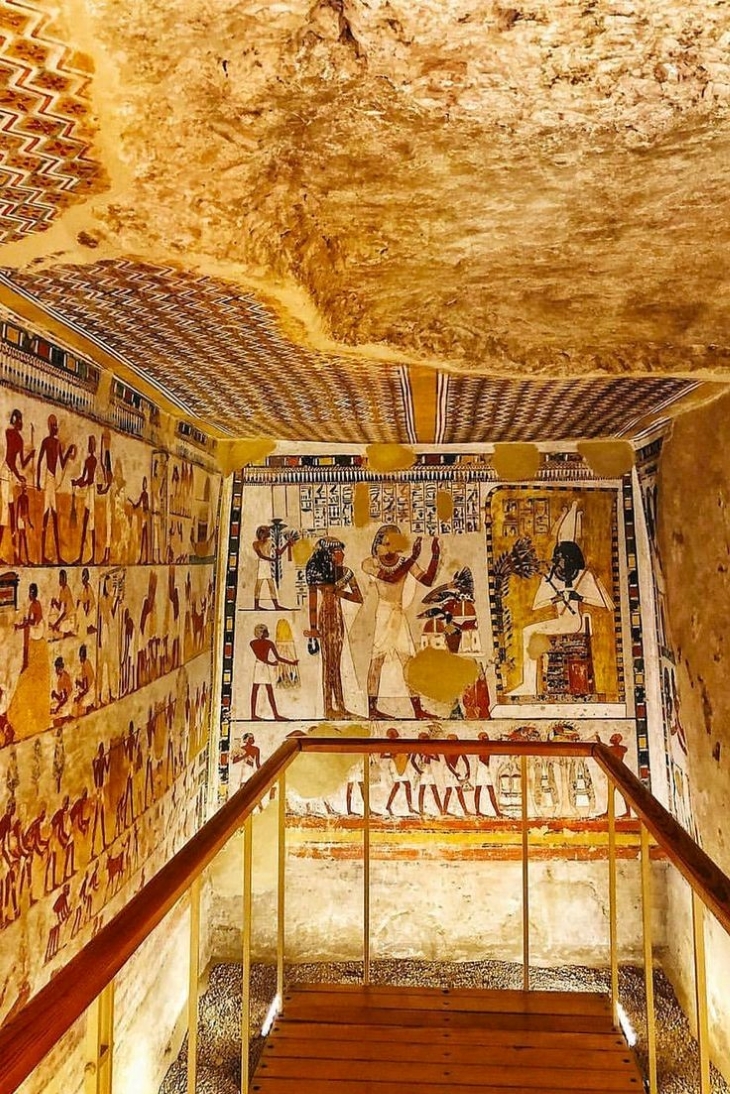
While royal tombs attract most attention, the Tomb of the Nobles reveals a more personal side of ancient Egyptian life.
These tombs belonged to officials, craftsmen, and administrators rather than kings.
Their walls are filled with scenes of agriculture, banquets, and daily routines, offering a vivid and relatable picture of life beyond the royal court.
The relative lack of crowds enhances the experience of discovery.
Deir el-Medina: The Workers Behind the Monuments
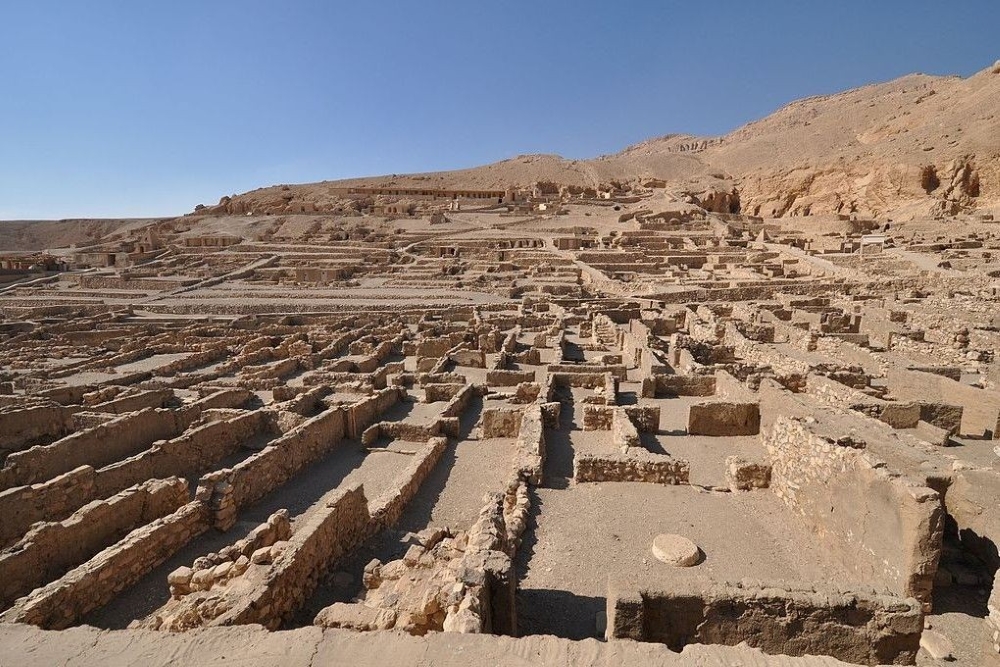
A visit to Deir el-Medina provides rare insight into the lives of the artisans who built the royal tombs.
This ancient village preserves homes, tools, and beautifully decorated tombs of the workers themselves.
It also holds historical significance as the site of one of the earliest recorded labor strikes.
Here, history shifts focus from kings to the skilled individuals who made their legacy possible.
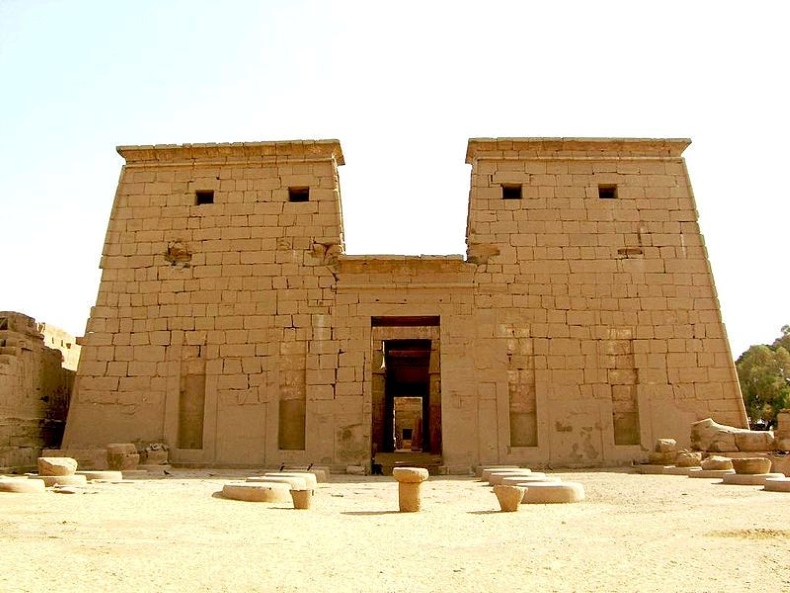
Hidden within the vast Karnak complex is the elegant Temple of Khonsu.
Often overlooked by visitors, this temple is known for its balanced architecture and well-preserved inscriptions.
Its peaceful atmosphere provides a refreshing contrast to the scale and crowds of the main Karnak structures.
It’s an ideal stop for those seeking tranquility and detail.
Malkata Palace: Echoes of Royal Luxury
The remains of Malkata Palace, once the residence of Amenhotep III, offer a different perspective on royal life.
Though largely in ruins, archaeological discoveries have revealed painted decorations and evidence of elaborate ceremonial spaces.
The site reflects the luxurious lifestyle of one of Egypt’s most powerful rulers.
Its remote location means it is rarely visited, adding to its appeal.
Colossi of Memnon: More Than Just Statues
While the Colossi of Memnon are well-known, many visitors overlook their fascinating history.
These massive statues once emitted mysterious sounds at sunrise, a phenomenon that attracted ancient travelers from across the Roman world.
Today, they remain an iconic yet often underappreciated stop, rich in legend and historical intrigue.
Why Explore Luxor’s Hidden Gems?
Exploring these lesser-known sites allows travelers to experience Luxor beyond its most visited landmarks.
They offer a quieter, more personal connection to ancient Egypt—where history feels alive rather than staged.
For those looking to go beyond the typical itinerary, these hidden monuments provide unforgettable insights into culture, art, and daily life thousands of years ago.
Discover the hidden Gems in Luxor with Axatours
Get ready for the ultimate Egyptian adventure! With Axatours, we take you on exclusive, expertly curated tours of hidden Gems in Luxor, designed to immerse you in the ancient Egyptian history. Our experienced team will guide you every step of the way, ensuring an unforgettable journey. For more details and exclusive offers, click the link here and start planning your dream trip!
Written by ATW April 2026


