
The Mysterious Death of King Tutankhamun
The Mystery Behind the Death of Tutankhamun
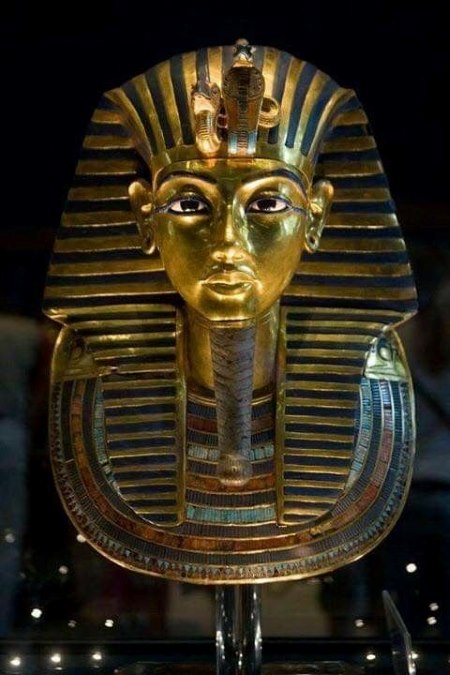
The death of Tutankhamun remains one of the most intriguing unsolved mysteries in the history of ancient Egypt. More than 3,000 years after his reign, historians, archaeologists, and scientists continue searching for answers surrounding the sudden death of the famous young Pharaoh. Widely recognized as (the Boy King) Tutankhamun ascended the throne at an early age during Egypt’s 18th Dynasty and became one of the most legendary rulers of the ancient world despite his short reign.
Tutankhamun and Ancient Egypt
Tutankhamun ruled during a turbulent period marked by major political and religious transformations. His father, believed to be Akhenaten, introduced radical religious reforms by promoting the worship of Aten as the primary deity. After Tutankhamun became Pharaoh, Egypt gradually restored its traditional religious system and revived the worship of ancient gods, particularly Amun.
Although he held immense royal power, Tutankhamun died at approximately 18 or 19 years old. His early death created widespread speculation throughout history, leading many experts to question whether the young king died from illness, accidental injury, or a carefully planned assassination.
The Discovery of Tutankhamun’s Tomb
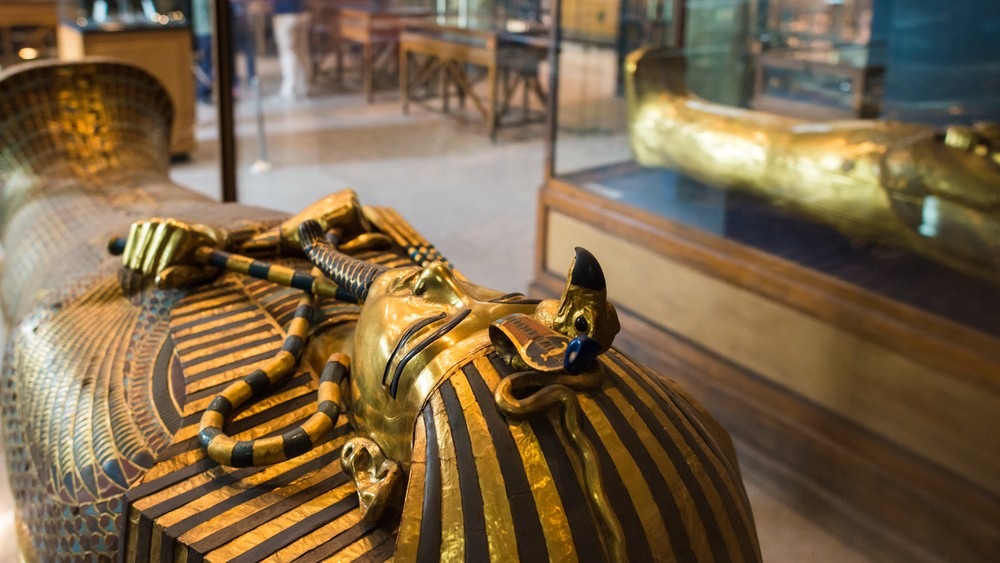
The mystery surrounding the young Pharaoh intensified dramatically in 1922 when British archaeologist Howard Carter discovered his remarkably preserved tomb inside the Valley of the Kings. Unlike most royal tombs that had been heavily looted, Tutankhamun’s burial chamber remained largely intact and contained extraordinary treasures, including golden artifacts, ceremonial chariots, jewelry, weapons, statues, and the world-famous golden funerary mask.
This discovery became one of the greatest archaeological finds in modern history and provided researchers with an unprecedented opportunity to study the life and death of an ancient Egyptian Pharaoh. However, detailed examinations of the mummy only deepened the mystery surrounding his sudden death.
The Murder Theory
For decades, one of the most widely discussed theories suggested that Tutankhamun may have been murdered as part of a political conspiracy within the royal court. Early X-ray examinations appeared to reveal damage to the back of the Pharaoh’s skull, leading some researchers to speculate that he had suffered a fatal blow to the head.
This theory gained enormous international attention and inspired countless books, films, and documentaries exploring the possibility of royal assassination in ancient Egypt. Historians often focused on powerful political figures who benefited from Tutankhamun’s death.
One of the primary suspects was Ay, an influential royal advisor who assumed the throne shortly after the young king’s death. Some experts believed Ay may have orchestrated a political plot to gain power. Others suspected Horemheb, a senior military commander who later became Pharaoh and played a significant role in restoring stability to Egypt.
Because Tutankhamun died without a surviving heir, questions surrounding succession and political ambition added even more mystery to the story. Royal courts in ancient civilizations were frequently shaped by power struggles, hidden rivalries, and dangerous alliances, making theories of murder difficult to dismiss entirely.
Scientific Evidence and Modern Analysis
Advances in modern technology transformed the investigation into Tutankhamun’s death. Scientists used CT scans, forensic studies, and DNA analysis to examine the mummy in greater detail than ever before. These modern studies challenged earlier assumptions regarding murder.
Researchers later concluded that the skull damage likely occurred during the mummification process or during the excavation of the mummy rather than being evidence of violent death. Instead, scientific evidence pointed toward severe medical conditions and physical weakness.
DNA testing suggested that Tutankhamun suffered from multiple health problems, including malaria. Further examinations revealed skeletal deformities and genetic disorders possibly linked to royal intermarriage, a common practice among ancient Egyptian royal families. Archaeologists also discovered numerous walking sticks and canes inside the tomb, indicating that the young Pharaoh may have experienced difficulty walking.
One of the most important discoveries was a serious fracture in his leg shortly before his death. Many researchers believe the injury became infected, causing life-threatening complications. Combined with malaria and an already weakened immune system, the injury may have resulted in the Pharaoh’s untimely death without any involvement of murder.
The Curse of the Pharaohs
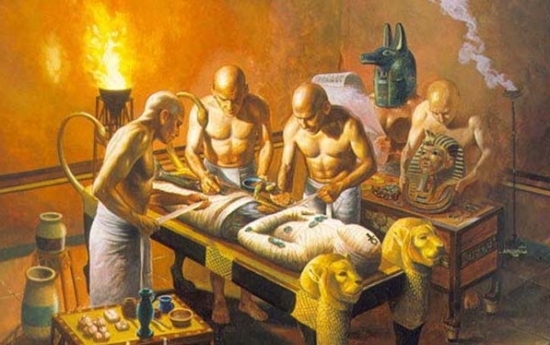
The fascination surrounding Tutankhamun expanded even further with the rise of the legendary (Curse of the Pharaohs.) Following the tomb’s discovery, several individuals connected to the excavation died unexpectedly, fueling global rumors that an ancient curse protected the young king’s burial chamber.
Although historians and scientists generally reject the curse as superstition, the legend became deeply embedded in popular culture. Stories involving mysterious deaths, hidden treasures, and supernatural revenge helped transform Tutankhamun into one of the most iconic figures in world history.
Why Tutankhamun’s Mystery Endures
The story of Tutankhamun continues to captivate people worldwide because it combines archaeology, history, politics, mythology, and scientific investigation into a single compelling mystery. Despite decades of research, experts still debate the true cause of the young Pharaoh’s death.
Was Tutankhamun the victim of illness and physical weakness, or did he fall victim to a hidden political conspiracy within the palace walls? The answer may never be fully known.
Today, Tutankhamun’s golden mask stands as a timeless symbol of ancient Egyptian civilization, while the mystery behind his death continues to inspire curiosity around the world. His story remains a powerful reminder that ancient Egypt still holds countless secrets buried beneath its sands, waiting to be revealed by future discoveries.
Discover Egypt with Axatours
Get ready for the ultimate Egyptian adventure! With Axatours, we take you on exclusive, expertly curated tours of Egypt, designed to immerse you in the heart of Egypt’s rich culture and history. Our experienced team will guide you every step of the way, ensuring an unforgettable journey. For more details and exclusive offers, click the link here and start planning your dream trip!
Written by ATW May 2026.


