
Egyptian Festivals and Local Culture: A Complete Guide to Egypt’s Living Traditions
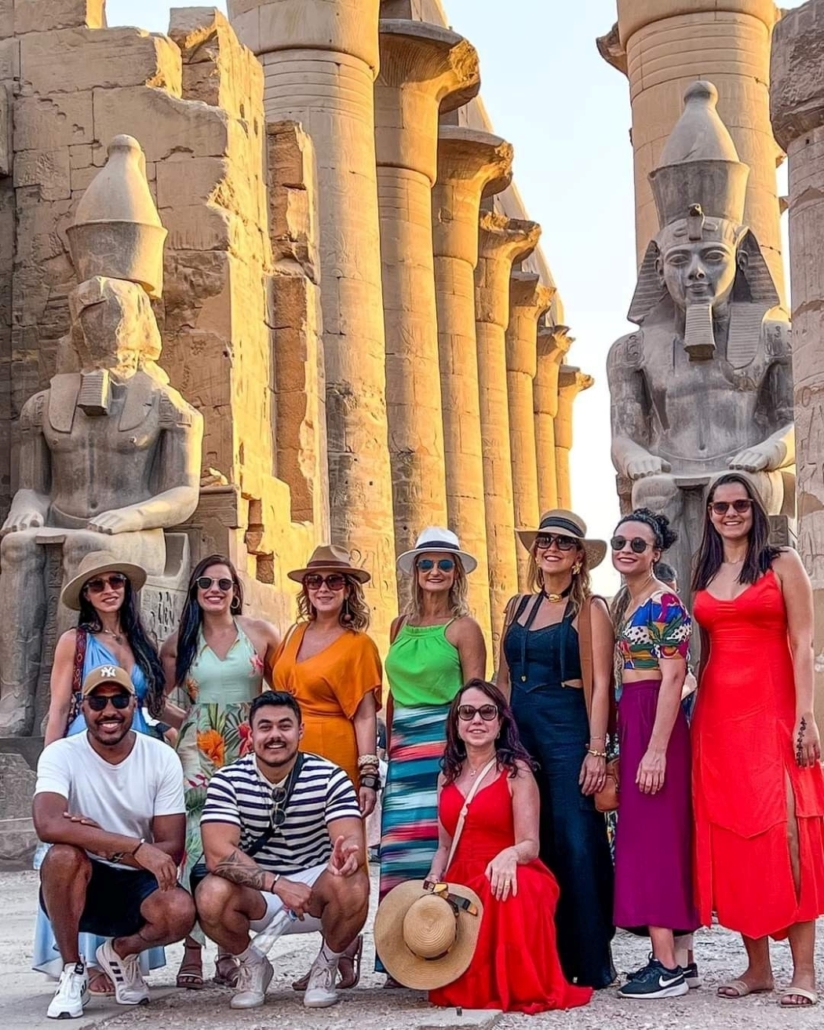
Egyptian Festivals and Local Culture: Discover the Heart and Soul of Egypt
When travelers think of Egypt, iconic landmarks like the Great Pyramids of Giza, the Sphinx, and the magnificent temples of Luxor often come to mind. While these ancient wonders are undoubtedly breathtaking, they represent only one chapter of Egypt’s incredible story. To truly understand this fascinating country, visitors should also explore its vibrant festivals, centuries-old traditions, diverse communities, and warm hospitality.
Egyptian culture is a remarkable blend of ancient Pharaonic heritage, Islamic traditions, Christian customs, Nubian influences, and Bedouin lifestyles. Throughout the year, colorful festivals fill the streets with music, dancing, delicious food, and joyful celebrations, giving travelers an authentic glimpse into everyday Egyptian life.
Whether you’re strolling through Cairo during Ramadan, watching the sunrise illuminate the Abu Simbel Temple, or enjoying traditional music in a Nubian village, these cultural experiences create unforgettable memories that go far beyond sightseeing.
In this guide, you’ll discover Egypt’s most famous festivals, unique customs, traditional cuisine, local arts, and everything you need to know to experience the country’s rich cultural heritage.
Why Experience Egyptian Festivals?
Festivals in Egypt are much more than annual celebrations—they are living expressions of the country’s history, faith, and community spirit. Every celebration tells a story that has often been passed down through generations, preserving customs that have survived for centuries.
Unlike many destinations where cultural performances are created primarily for tourists, Egyptian festivals remain deeply connected to local communities. Families gather to celebrate religious holidays, villages organize traditional fairs, artisans display handmade crafts, and musicians perform folk songs that have echoed through Egypt for generations.
For travelers, attending these events offers an opportunity to experience Egypt through the eyes of its people. Instead of simply visiting monuments, you’ll witness traditions that continue to shape modern Egyptian life.
Some celebrations date back to the time of the Pharaohs, while others reflect Egypt’s Islamic and Christian heritage, creating one of the most culturally diverse festival calendars in the Middle East.
Religious Festivals in Egypt
Religion plays a central role in Egyptian society, and many of the country’s largest celebrations are rooted in Islamic and Christian traditions. These occasions bring families together and transform cities into vibrant centers of celebration.
Ramadan: Egypt’s Most Atmospheric Month
For many visitors, Ramadan is one of the most rewarding times to explore Egypt. During this holy month, Muslims fast from dawn until sunset, but as evening approaches, the entire atmosphere changes dramatically.
Moments before sunset, streets become quieter as families prepare for Iftar, the meal that breaks the daily fast. Once the evening call to prayer is heard, restaurants, homes, and cafés quickly fill with people enjoying traditional dishes together.
After Iftar, Egypt truly comes alive.
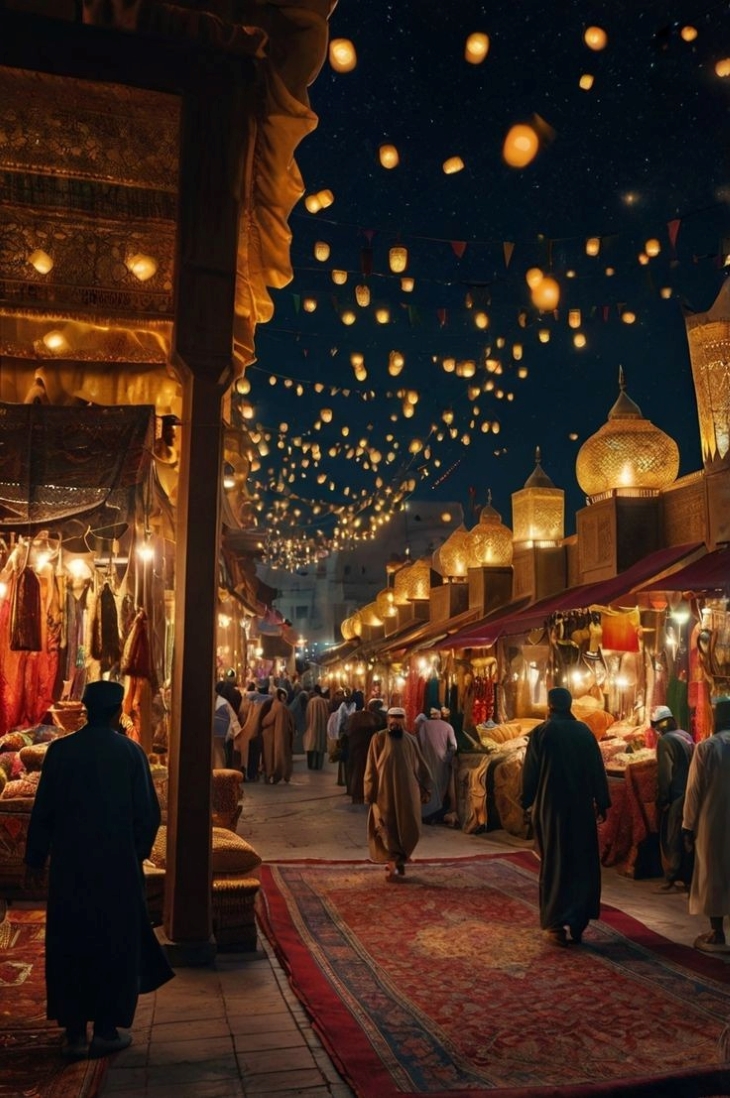
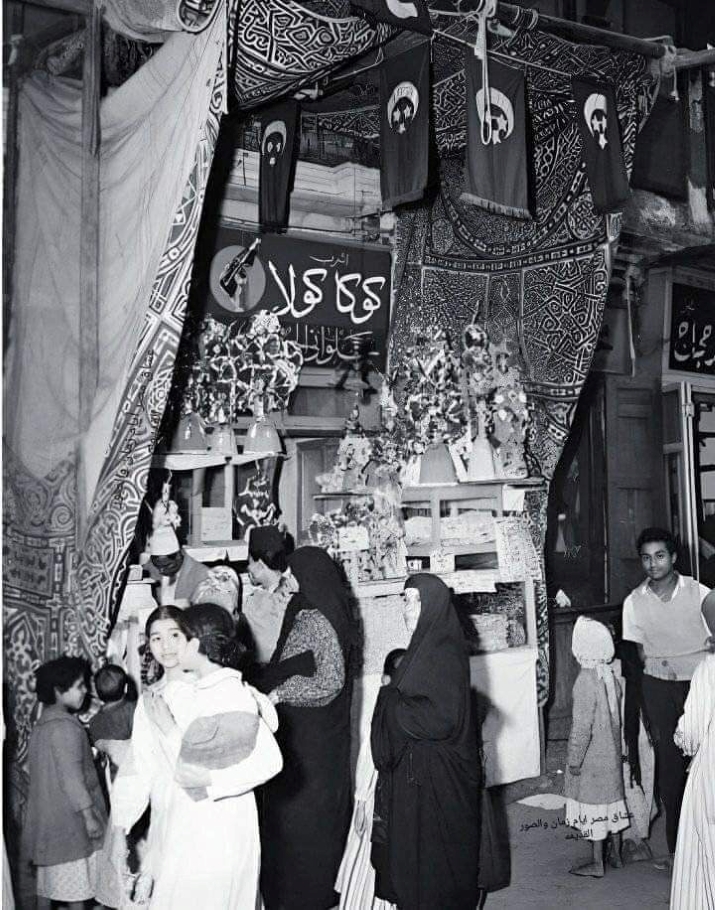
Markets remain open late into the night, cafés become lively gathering places, and streets sparkle with colorful Fanous Ramadan lanterns hanging from balconies and storefronts. Visitors can enjoy cultural performances, traditional music, street food, and a festive atmosphere that continues until the early hours of the morning.
Popular destinations such as Cairo, Alexandria, Luxor, and Aswan become especially enchanting during Ramadan evenings, offering one of the country’s most authentic cultural experiences.
Eid al-Fitr: Celebrating the End of Ramadan
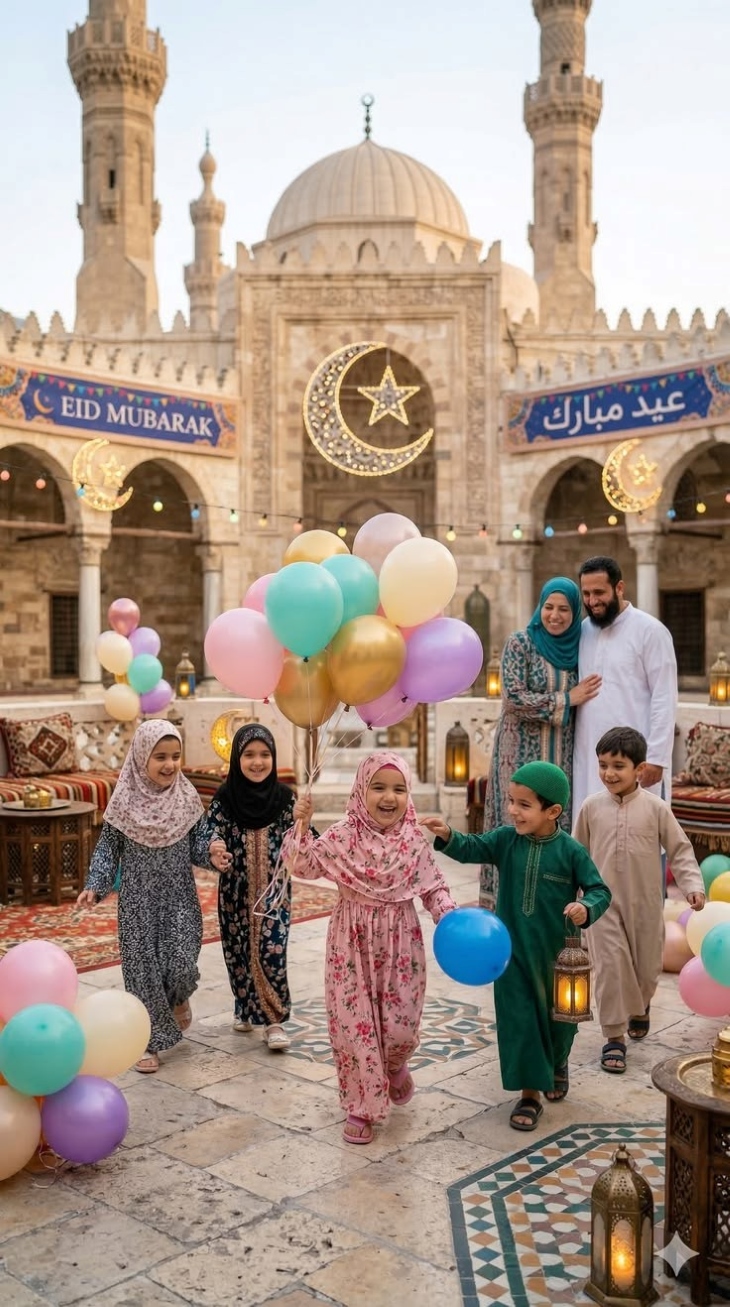
The joyful celebration of Eid al-Fitr marks the conclusion of Ramadan and is one of Egypt’s happiest public holidays.
The day begins with special morning prayers before families gather to celebrate together. Children receive gifts and new clothes, relatives exchange visits, and neighborhoods fill with laughter and excitement.
One of the highlights of Eid is the abundance of traditional sweets prepared especially for the occasion. The most famous is Kahk, a buttery cookie dusted with powdered sugar and often filled with dates, walnuts, or sweet paste. Bakeries across Egypt spend weeks preparing thousands of these beloved treats.
Public gardens, amusement parks, the Nile Corniche, and Mediterranean beaches are filled with families enjoying picnics and celebrations, creating a festive atmosphere throughout the country.
For travelers, Eid provides an excellent opportunity to witness Egyptian family traditions and experience the country’s famous hospitality.
Eid al-Adha: The Festival of Sacrifice
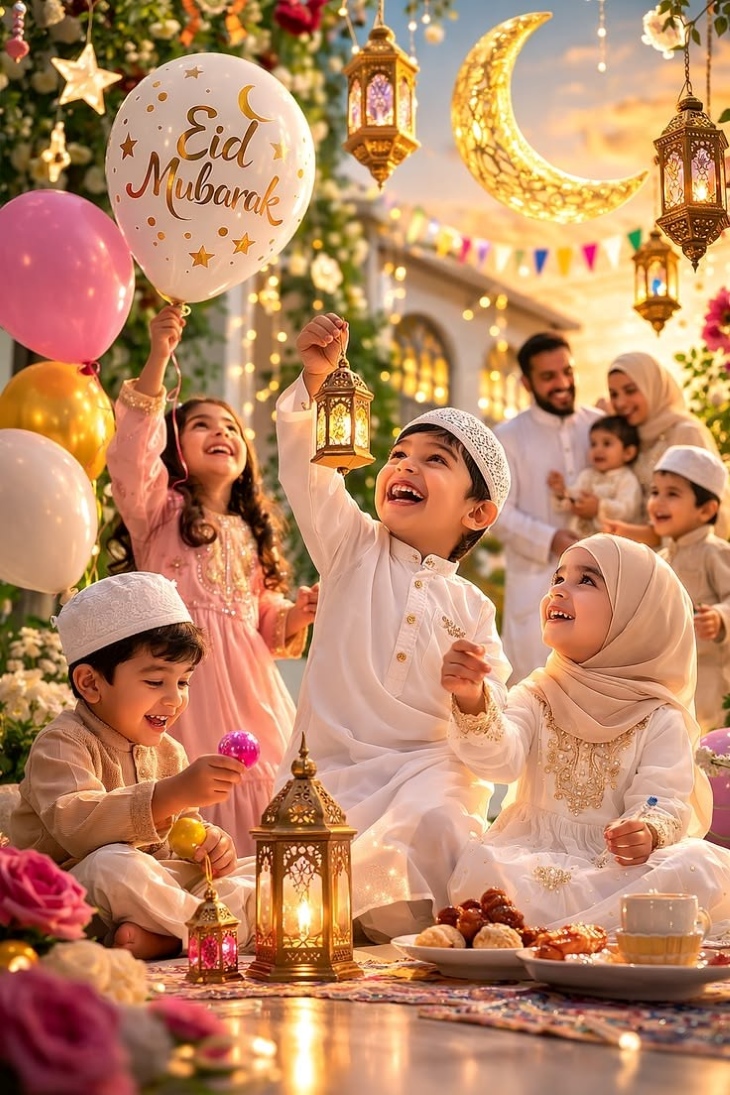
Another major celebration in Egypt is Eid al-Adha, often referred to as the Festival of Sacrifice.
This important Islamic holiday commemorates the willingness of Prophet Ibrahim to sacrifice his son as an act of faith.
The day begins with communal prayers followed by family gatherings, generous meals, and charitable donations to those in need. Sharing food with relatives, neighbors, and less fortunate families remains one of the festival’s most meaningful traditions.
Many Egyptians also use the holiday period for domestic travel, making popular destinations such as Hurghada, Sharm El Sheikh, Alexandria, Luxor, and the Red Sea resorts particularly lively.
Visitors during Eid al-Adha will experience Egypt at its most festive, with restaurants, attractions, and public spaces filled with families enjoying their holiday together.
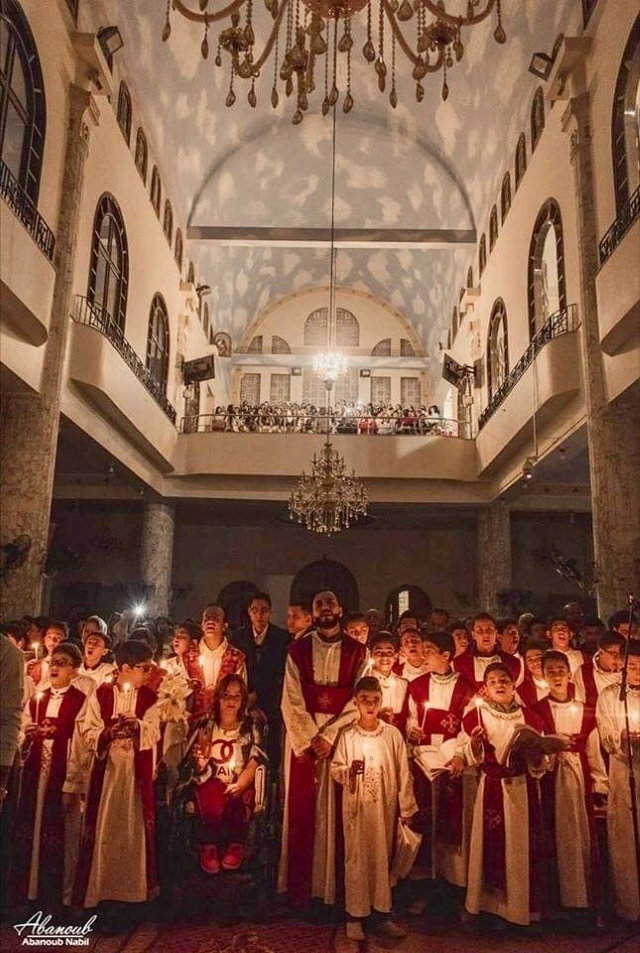
Coptic Christmas
Egypt is home to one of the world’s oldest Christian communities, and Coptic Christmas, celebrated annually on January 7, is among the country’s most important religious occasions.
Following a 43-day fasting period, families gather after midnight church services to enjoy festive meals featuring roasted meats, Fatta, rice dishes, and traditional desserts.
Historic churches throughout Old Cairo, especially those within the Coptic Quarter, become beautifully decorated, while special services and celebrations welcome worshippers from across the country.
For visitors interested in Egypt’s Christian heritage, this season offers an opportunity to explore ancient monasteries, historic churches, and centuries-old religious traditions that continue to flourish today.
Sham El-Nessim: A Festival That Began with the Pharaohs
Among Egypt’s most unique celebrations is Sham El-Nessim, one of the oldest continuously celebrated festivals in the world.
Its origins date back more than 4,500 years to Ancient Egypt, when the arrival of spring symbolized renewal, fertility, and the beginning of a new agricultural season. Remarkably, despite the passage of millennia, the festival remains an important national holiday celebrated by Egyptians of all religions.
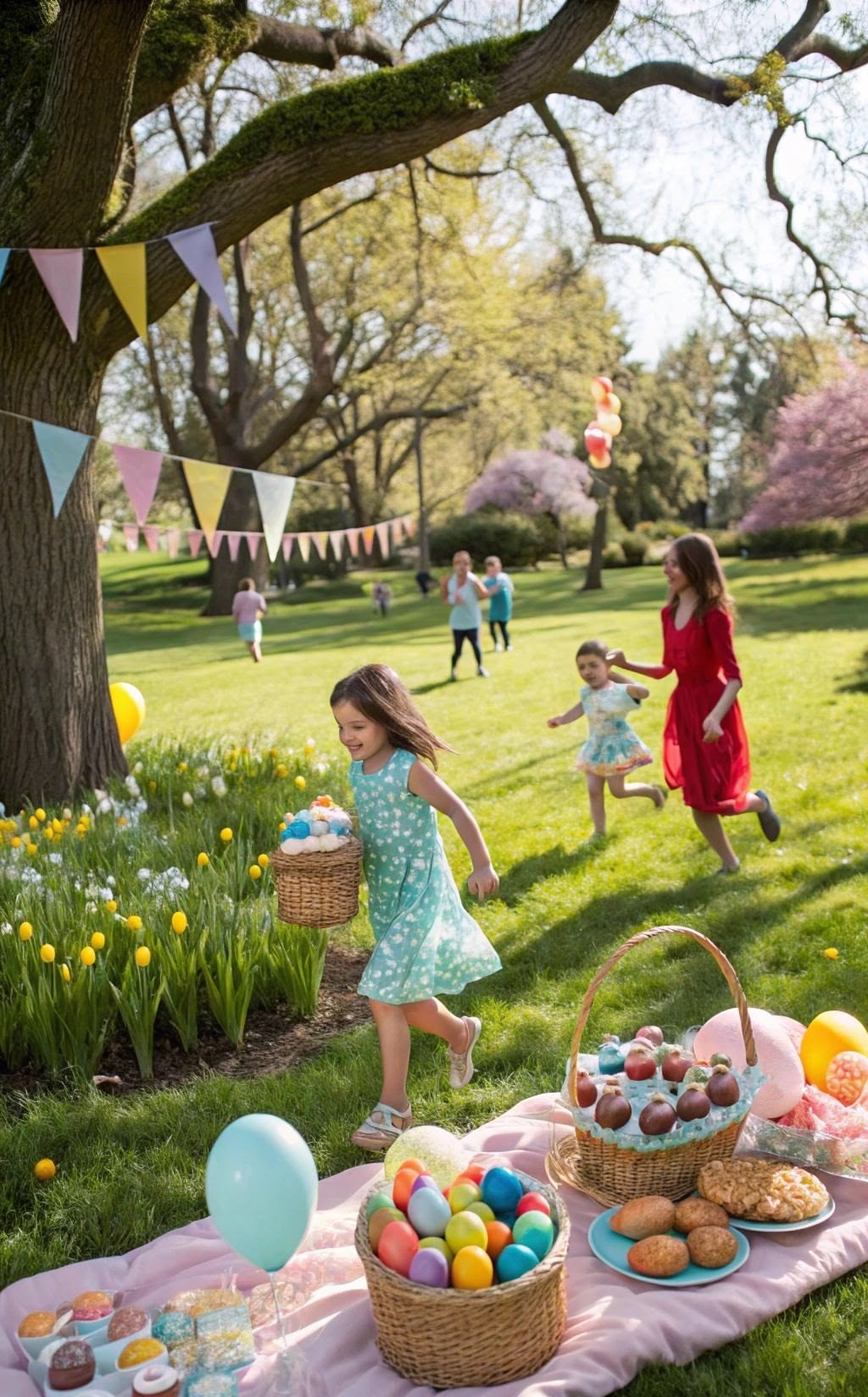
On Sham El-Nessim, families leave their homes early in the morning to enjoy picnics in parks, botanical gardens, along the Nile River, or beside the Mediterranean coast. It is a day dedicated to spending time outdoors with loved ones while welcoming the arrival of spring.
Traditional foods remain an essential part of the celebration and typically include Feseekh (salted and fermented fish), green onions, lettuce, lupin beans, and brightly colored boiled eggs—a custom that traces its roots back to ancient Egyptian symbolism.
Unlike many festivals centered around religion, Sham El-Nessim represents Egypt’s remarkable cultural continuity, connecting modern Egyptians with traditions established thousands of years ago during the age of the Pharaohs.
Egypt’s Most Fascinating Cultural Festivals
While religious celebrations are an essential part of Egyptian life, the country also hosts several unique festivals that celebrate its ancient history, local traditions, and diverse communities. From spectacular solar events to vibrant oasis celebrations, these festivals offer visitors unforgettable cultural experiences that reveal a different side of Egypt.
Abu Simbel Sun Festival: An Ancient Astronomical Wonder
Twice each year, one of Egypt’s greatest engineering achievements comes to life in a breathtaking display that attracts thousands of visitors from around the world.
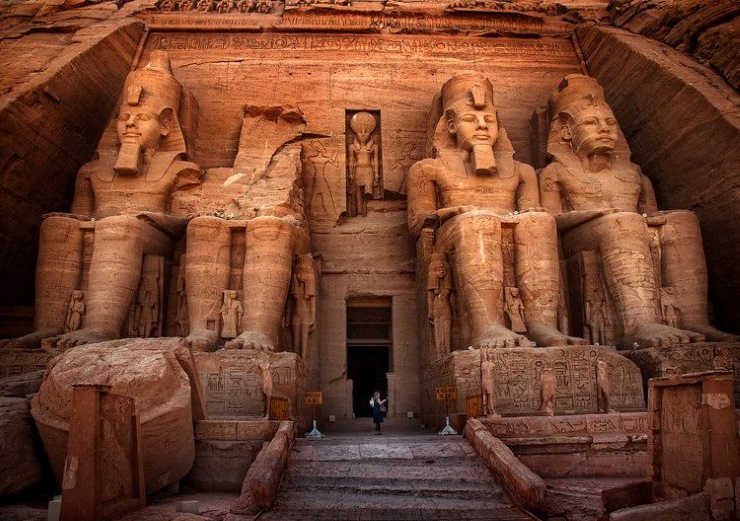
Every February 22 and October 22, the first rays of the morning sun penetrate the inner sanctuary of the magnificent Abu Simbel Temple, illuminating the statues of Ramses II and the gods seated deep inside the temple. This extraordinary phenomenon was carefully designed over 3,000 years ago, demonstrating the remarkable astronomical knowledge of the ancient Egyptians.
Long before sunrise, visitors gather outside the temple as traditional Nubian musicians and dancers perform, creating an atmosphere filled with excitement and celebration. As daylight breaks and the sunlight reaches the sanctuary, the crowd witnesses one of Egypt’s most spectacular cultural events.
The festival extends beyond the solar alignment itself, with local markets, handicraft exhibitions, folklore performances, and Nubian cultural shows transforming Abu Simbel into a lively celebration of southern Egypt’s heritage.
For history lovers and photographers alike, the Abu Simbel Sun Festival is one of the most unforgettable events on Egypt’s cultural calendar.
The Siwa Date Festival: Celebrating Oasis Heritage
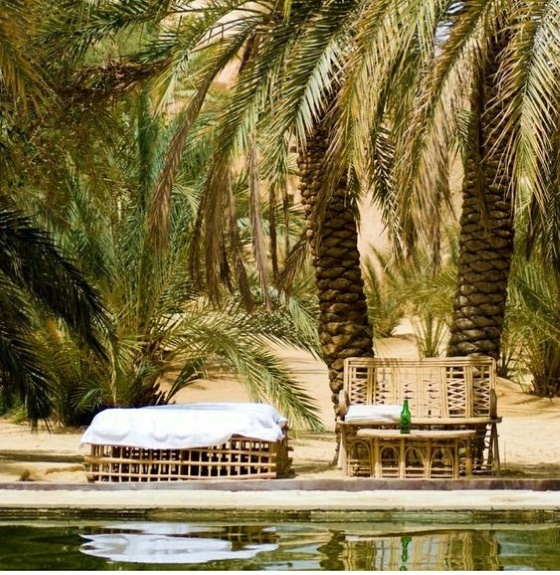
Hidden deep within Egypt’s Western Desert, Siwa Oasis is renowned for its stunning landscapes, ancient traditions, and some of the finest dates in North Africa. Every autumn, the oasis comes alive during the annual Date Festival, a celebration that honors one of the region’s most valuable agricultural treasures.
The festival marks the completion of the date harvest and brings together farmers, artisans, musicians, and families from across the oasis. Visitors can sample dozens of varieties of locally grown dates while browsing colorful markets filled with handmade crafts, olive oil, woven baskets, embroidered textiles, and traditional silver jewelry.
One of the festival’s most meaningful traditions is its role in strengthening community ties. Historically, the celebration has symbolized reconciliation among local tribes, highlighting the strong values of unity and cooperation that continue to define Siwan society today.
Guests also have the opportunity to enjoy authentic Siwan cuisine, watch traditional music and dance performances, and experience the peaceful atmosphere that makes this remote oasis one of Egypt’s most unique cultural destinations.
Moulid Festivals: Egypt’s Vibrant Spiritual Gatherings
Among Egypt’s most colorful cultural traditions are the Moulid festivals, celebrations held in honor of respected Islamic saints and religious figures.
These festivals take place throughout the year in cities and villages across the country, attracting thousands—and sometimes hundreds of thousands—of participants.
Unlike formal religious ceremonies, Moulids combine spirituality with community celebration. Streets become filled with food vendors, amusement rides, musicians, storytellers, and merchants selling sweets, toys, and handcrafted goods.
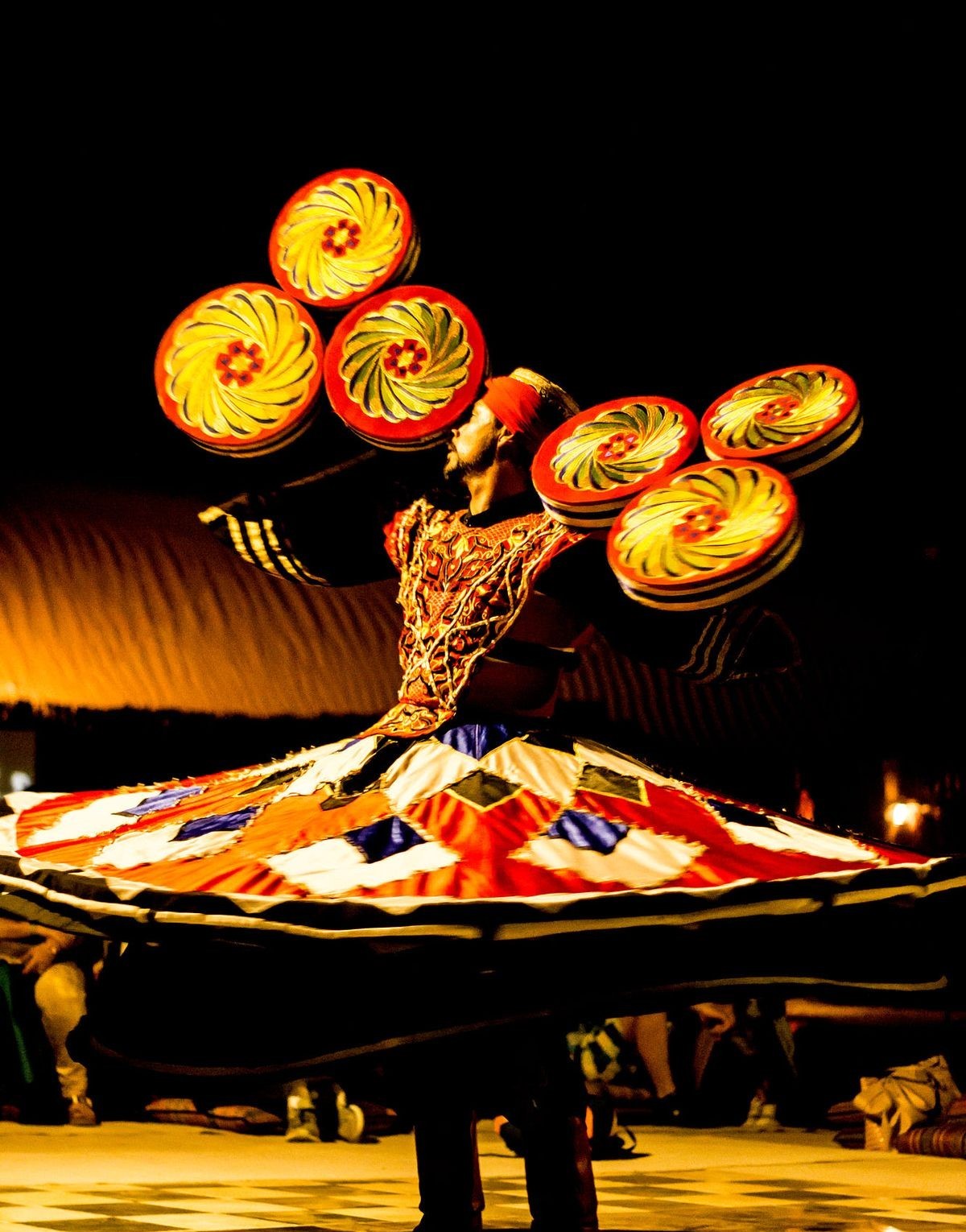
One of the highlights of many Moulids is the performance of Sufi chanting and devotional music, accompanied by the mesmerizing spinning movements of Sufi performers. These spiritual ceremonies create a unique atmosphere that blends faith, culture, and artistic expression.
Even for non-Muslim visitors, attending a Moulid offers an extraordinary opportunity to witness an important aspect of Egypt’s living cultural heritage while experiencing the warmth and hospitality of local communities.
Discover the Rich Heritage of Nubian Culture
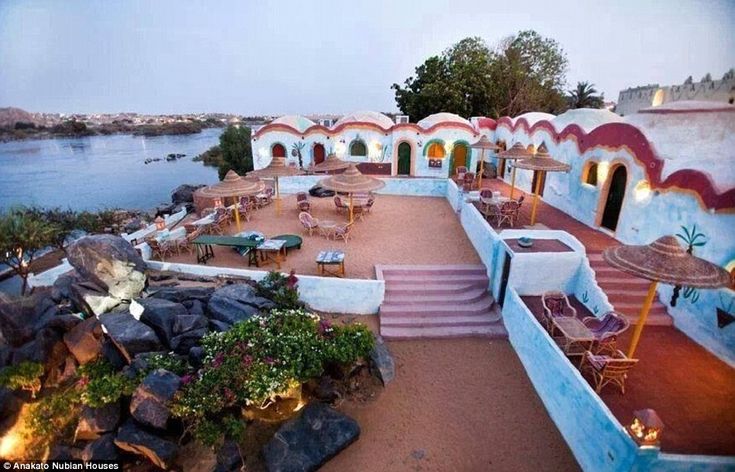
Southern Egypt is home to the Nubians, one of the country’s oldest indigenous communities, whose history stretches back thousands of years.
Located primarily around Aswan and the shores of Lake Nasser, Nubian villages are instantly recognizable by their brightly painted houses, vibrant murals, and welcoming atmosphere.
Visiting a Nubian village offers far more than beautiful scenery. Guests are invited to experience a unique culture known for its colorful traditional clothing, lively music, handcrafted artwork, and exceptional hospitality.
Music plays an important role in Nubian life, with rhythmic drumming and joyful group singing accompanying weddings, festivals, and family gatherings. Traditional dances often encourage audience participation, making visitors feel like part of the celebration rather than mere spectators.
The cuisine is equally distinctive, featuring locally grown ingredients and recipes that reflect centuries of cultural exchange along the Nile.
For travelers seeking authentic cultural encounters beyond Egypt’s famous monuments, spending time in a Nubian village is an unforgettable experience.
Bedouin Traditions in Egypt’s Desert Landscapes
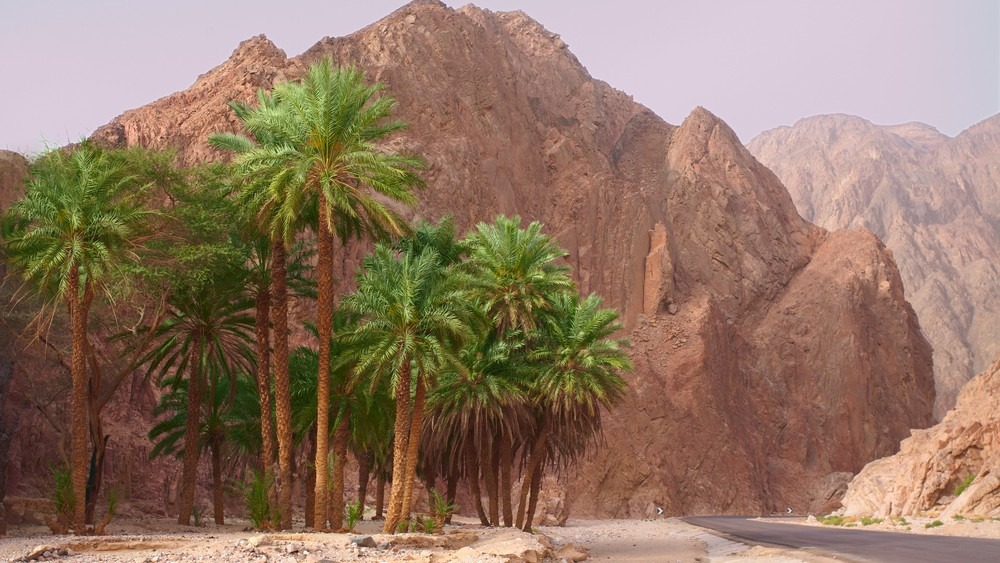
The vast deserts of Sinai and Egypt’s Eastern Desert are home to Bedouin communities whose traditions have been shaped by centuries of nomadic life.
Hospitality lies at the heart of Bedouin culture. Visitors are often welcomed with freshly brewed herbal tea served around a campfire while listening to stories passed down through generations.
Bedouin music emphasizes poetry and storytelling, accompanied by simple percussion instruments and traditional songs that reflect life in the desert.
Many desert excursions now include authentic Bedouin experiences, allowing travelers to enjoy traditional meals, stargazing, camel rides, and evenings filled with music beneath some of the clearest skies in the world.
These encounters offer valuable insight into one of Egypt’s oldest living cultures while showcasing the remarkable resilience of desert communities.
Traditional Egyptian Folk Dances
Dance is another essential element of Egyptian celebrations, bringing communities together during weddings, religious festivals, and cultural events.
Among the country’s most famous performances is the Tanoura Dance, inspired by Sufi spiritual traditions. Dancers spin continuously while wearing brilliantly colored skirts that create mesmerizing patterns with every movement. Beyond its visual beauty, the dance symbolizes spiritual harmony and the continuous cycle of life.
Another remarkable tradition is Tahtib, an ancient martial art originating in Upper Egypt. Performed using long wooden sticks, Tahtib combines athletic skill, rhythm, and ceremonial movements that have been practiced for centuries.
Today, both dances are regularly showcased during cultural festivals, allowing visitors to experience living traditions that remain deeply rooted in Egyptian heritage.
Traditional Clothing and Handcrafted Art
Although modern fashion dominates everyday life in Egypt’s cities, traditional clothing continues to play an important role during festivals, weddings, and cultural celebrations.
In many rural communities, men still wear the flowing galabeya, while women proudly display beautifully embroidered dresses that reflect local craftsmanship and regional identity. Nubian and Siwan garments are particularly admired for their vibrant colors, intricate embroidery, and handcrafted jewelry.
Festival markets throughout Egypt also provide an excellent opportunity to discover authentic handmade products created by local artisans.
Popular souvenirs include:
-Hand-painted papyrus artwork
-Handwoven carpets and kilim rugs
-Alabaster sculptures
-Copper and brass decorations
-Leather goods
-Traditional Ramadan lanterns
-Pottery and ceramics
-Silver jewelry crafted using techniques passed down through generations
Purchasing directly from local artisans not only supports traditional craftsmanship but also helps preserve cultural skills that have been practiced for centuries.
How to Experience Egyptian Culture Beyond the Tourist Attractions
While Egypt’s famous monuments deserve their worldwide reputation, the country’s cultural experiences often become the highlights of a journey.
To discover the authentic side of Egypt, consider adding these experiences to your itinerary:
-Spend an evening exploring local markets instead of shopping malls.
-Visit a Nubian village near Aswan to experience traditional music, cuisine, and hospitality.
-Enjoy a cultural dinner featuring authentic Egyptian dishes prepared by local families.
-Attend a Tanoura dance performance or a traditional folklore show.
-Explore Siwa Oasis or the Sinai Peninsula to experience regional customs that differ from those found in Cairo or Luxor.
-Shop directly from local artisans to support traditional craftsmanship and take home meaningful handmade souvenirs.
If your travel dates coincide with a local festival, don’t hesitate to join the celebrations—you’ll experience Egypt in a way that few tourists ever do.
The more you engage with local communities, the deeper your understanding of Egypt’s rich cultural heritage will become.
Discover more about Egypt with Axatours
Get ready for the ultimate Egyptian adventure! With Axatours, we take you on exclusive, expertly curated tours to the best camping places in Egypt, designed to immerse you in the heart of Egypt’s rich culture. Our experienced team will guide you every step of the way, ensuring an unforgettable journey. For more details and exclusive offers, click the link here and start planning your dream trip!
Written by ATW July 2026


