
The Ancient Egyptian Calendar: TheTime System of Ancient Egypt
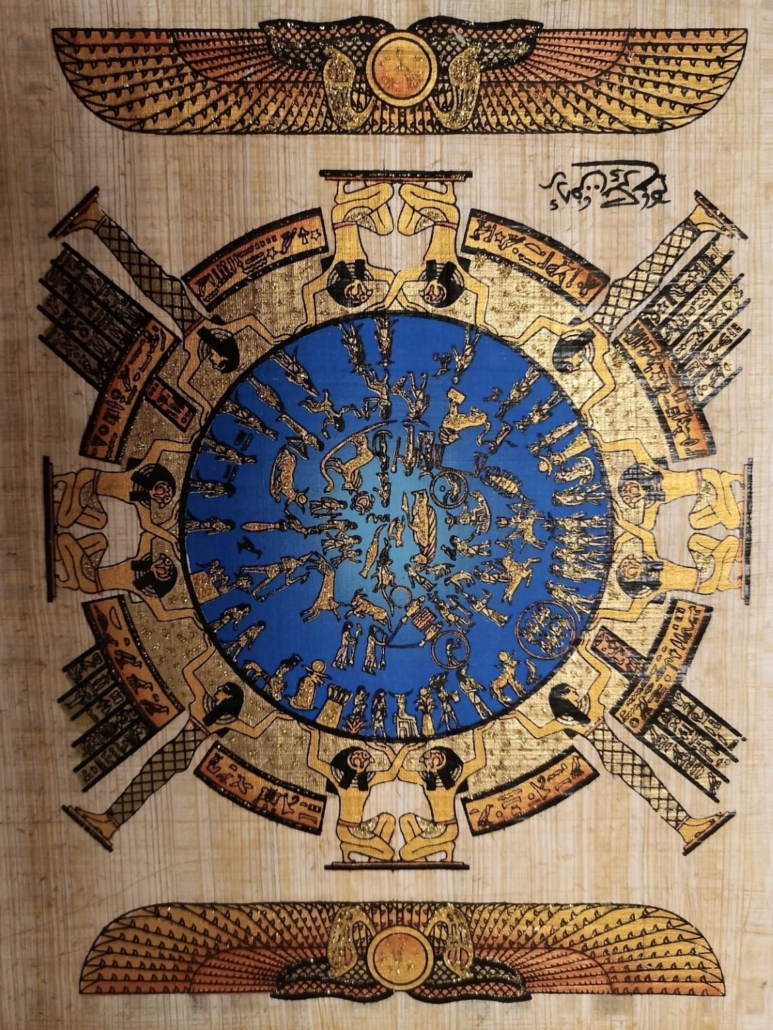
The Ancient Egyptian Calendar: The Remarkable Timekeeping System of Ancient Egypt
The ancient Egyptian calendar was one of the earliest and most sophisticated timekeeping systems ever created in human history. Thousands of years before the modern Gregorian calendar, the ancient Egyptians developed an organized calendar that helped regulate farming, religious ceremonies, trade, government administration, and everyday life along the Nile River. Their deep knowledge of astronomy and natural cycles allowed them to build a highly accurate system that became one of the foundations of later calendars used throughout the ancient world.
The Egyptian calendar not only reflected the scientific intelligence of ancient Egypt but also played a major role in the growth and stability of one of history’s greatest civilizations.
How the Ancient Egyptians Developed Their Calendar
The creation of the ancient Egyptian calendar was closely connected to the Nile River and the stars. Egyptian astronomers and priests carefully observed the sky and noticed that the bright star Sirius, known to the Egyptians as Sopdet, appeared in the sky shortly before sunrise once every year.
This astronomical event happened almost at the same time as the annual flooding of the Nile River, which was essential for agriculture and survival in ancient Egypt. Because the Nile flood brought fertile black soil that allowed crops to grow, the Egyptians used the rising of Sirius as the official beginning of the new year.
Through years of observation, the ancient Egyptians calculated that the solar year lasted approximately 365 days, an extraordinary scientific achievement for such an early civilization.
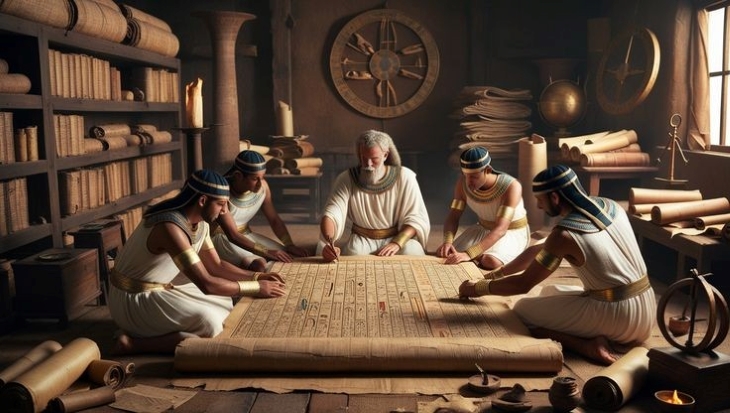
How Many Days Were in the Ancient Egyptian Calendar?
The ancient Egyptian year consisted of:
365 days in total
The calendar was divided into:
12 months
30 days in each month
This created a total of:
12 \times 30 = 360
To match the solar cycle more accurately, the Egyptians added:
5 additional days at the end of the year
These extra days were considered sacred festival days associated with the births of important Egyptian gods, including Osiris, Isis, Horus, Seth, and Nephthys.
The complete Egyptian year therefore became:
360 + 5 = 365
The Three Main Seasons in Ancient Egypt
Unlike modern calendars that divide the year into four seasons, the ancient Egyptian calendar had three major agricultural seasons directly connected to the Nile River cycle.
Each season lasted four months.
Akhet – The Flood Season
Akhet was the season of inundation when the Nile River overflowed its banks.
During Akhet:
* The floodwaters covered the farmland
* Fertile mud was deposited across the fields
* Farmers prepared the land for planting
This season was vital because the Nile flood made agriculture possible in Egypt’s desert environment.
Peret – The Growing Season
Peret represented the season of emergence and cultivation.
During this period:
* Crops were planted
* Wheat and barley fields flourished
* Farmers worked extensively on irrigation and farming
Peret was one of the busiest and most productive times of the year.
Shemu – The Harvest Season
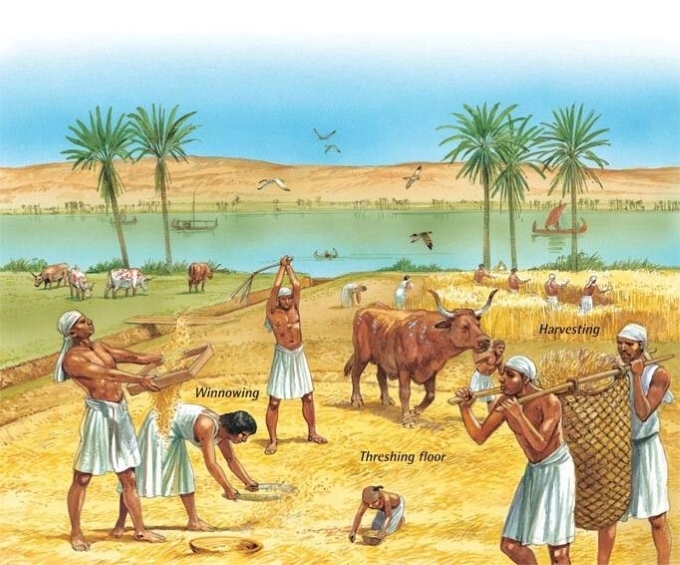
Shemu was the dry season and harvest period.
During Shemu:
* Crops were harvested
* Grain was stored for future use
* Agricultural taxes were collected
This season played a crucial role in supporting Egypt’s economy and food supply.
How Many Months Were in the Ancient Egyptian Year?
The Egyptian calendar included:
12 months total
The months were divided equally among the three seasons:
| Ancient Egyptian Season | Number of Months |
| ———————– | —————- |
| Akhet (Flood) | 4 Months |
| Peret (Growth) | 4 Months |
| Shemu (Harvest) | 4 Months |
Each month contained:
30 \text{ days per month}
Did Ancient Egyptians Use Weeks?
The ancient Egyptians did not follow the modern seven-day week system.
Instead, each month was divided into:
* 3 weeks
* 10 days per week
This ten-day cycle was called a (decade).
The structure worked as follows:
3 \times 10 = 30
The final day of each ten-day period often served as a rest day for workers and laborers.
How Many Hours Were in an Ancient Egyptian Day?
The ancient Egyptians divided the day into:
24 hours
This included:
12 daytime hours
12 nighttime hours
However, the length of the hours changed according to the seasons. Daytime hours became longer during summer and shorter during winter.
To measure time, the Egyptians used:
Sundials during daylight
Water clocks during nighttime
These early timekeeping devices later influenced Greek and Roman methods of measuring time.
How the Ancient Egyptians Used the Calendar in Daily Life
The calendar was essential to nearly every aspect of ancient Egyptian society.
Agriculture and Farming
Farmers depended on the calendar to determine:
* The arrival of the Nile flood
* Planting seasons
* Harvest periods
Without this organized system, Egyptian agriculture would have been far less successful.
Religion and Temple Festivals
The Egyptian calendar was deeply connected to religion.
Priests used the calendar to organize:
Religious festivals
Sacred ceremonies
Temple rituals
Offerings to the gods
Many important events were linked to astronomical observations and seasonal changes.
Government and Administration
Egyptian officials used the calendar for:
Tax collection
Organizing labor forces
Managing trade and storage
Recording important historical events
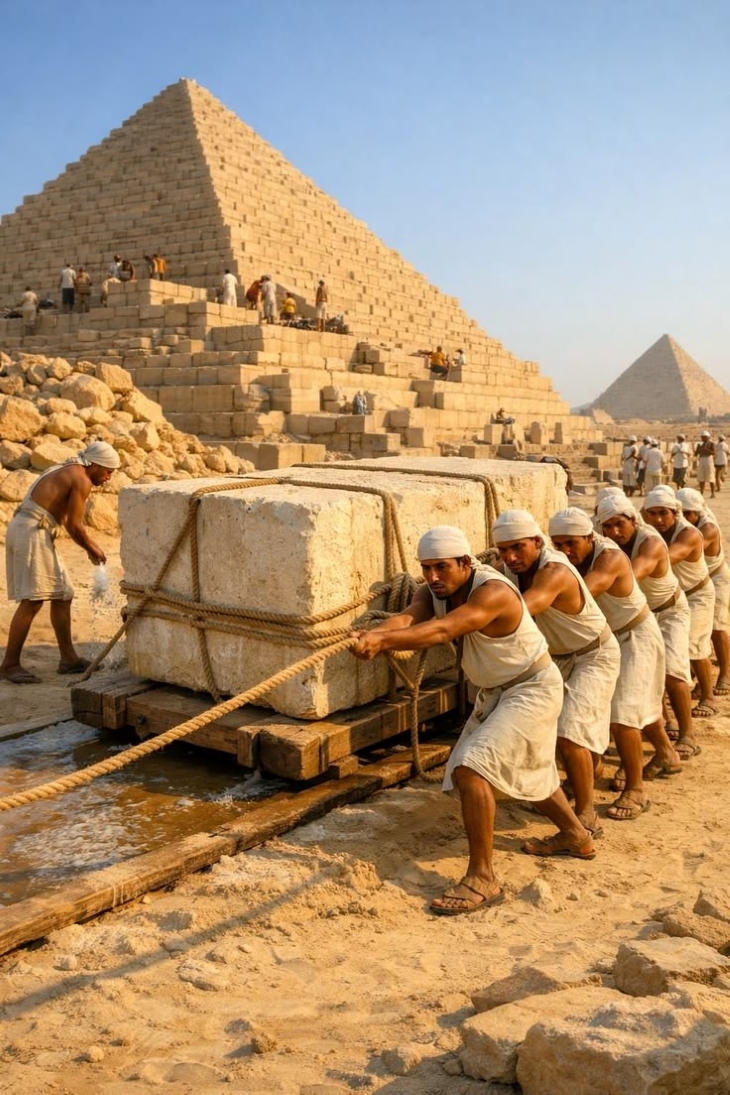
Large construction projects such as pyramids and temples required careful scheduling based on the calendar system.
Everyday Life in Ancient Egypt
Ordinary Egyptians also relied on the calendar in their daily routines, including:
Work schedules
Market days
Travel planning
Community celebrations
Family activities
The calendar helped maintain order and organization throughout Egyptian society.
The Weakness of the Ancient Egyptian Calendar
Although the Egyptian calendar was highly advanced, it was not perfectly accurate.
The true solar year is slightly longer than 365 days:
365.25
Because the Egyptians did not include a leap year system, their calendar gradually shifted away from the actual solar seasons over long periods of time.
Despite this small flaw, the calendar remained remarkably effective and continued to be used for thousands of years.
The Legacy of the Ancient Egyptian Calendar
The calendar developed by ancient Egypt influenced many later civilizations, including the Greek and Roman worlds. Historians believe that elements of the Egyptian system contributed to the later development of the Julian and Gregorian calendars used today.
More importantly, the ancient Egyptian calendar demonstrates the extraordinary scientific achievements of ancient Egypt. By combining astronomy, mathematics, agriculture, and religion into one organized system, the Egyptians created one of the most important innovations in early human civilization.
For centuries, this remarkable calendar guided life along the Nile River and helped ancient Egypt become one of the most powerful and enduring civilizations in world history.
Discover more secerts about ancient Egypt with Axatours
Get ready for the ultimate Egyptian adventure! With Axatours, we take you on exclusive, expertly curated tours of Egypt, designed to immerse you in the heart of Egypt’s rich culture and history. Our experienced team will guide you every step of the way, ensuring an unforgettable journey. For more details and exclusive offers, click the link here and start planning your dream trip!
Written by ATW May 2026.


