
Women in Ancient Egypt: Roles, Rights, Education, Beauty, and Social Life
Women in Ancient Egypt: Roles, Rights, Education, Beauty, and Social Life
Women in Ancient Egypt occupied a surprisingly progressive position compared to many other ancient civilizations. They were not limited to domestic roles only, but actively participated in economic, religious, and sometimes political life. Their status combined traditional family responsibilities with a level of legal and social independence that was exceptional for the ancient world.
Social Roles and Everyday Responsibilities
In daily life, many Egyptian women were primarily responsible for managing the household, raising children, and ensuring family well-being. They prepared food, wove textiles, and contributed to household production such as bread and beer.
At the same time, women were also present in the workforce. They worked as farmers, artisans, weavers, musicians, dancers, and servants in wealthy households or temple institutions. This shows that women were an active part of the ancient Egyptian economy rather than being confined solely to the home.
Some women reached influential religious positions, serving as priestesses in temples dedicated to goddesses like Hathor and Isis. Elite women and queens often had access to political influence, advising pharaohs and participating in diplomatic or ceremonial affairs. In rare but powerful cases, women ruled Egypt themselves, with Queen Hatshepsut being the most prominent example of a female pharaoh.
Legal Rights and Social Independence
One of the most distinctive features of Ancient Egyptian society was the legal autonomy granted to women. Unlike many ancient cultures, women in Egypt had recognized legal identity and could act independently in many areas of life.
They were allowed to:
-Own, inherit, and manage property
-Buy and sell land or goods
-Sign legal contracts
-File lawsuits and defend themselves in court
-Request divorce
This legal framework gave women a degree of independence that was highly advanced for its time, even if social norms still influenced gender roles.
Marriage and Family Structure
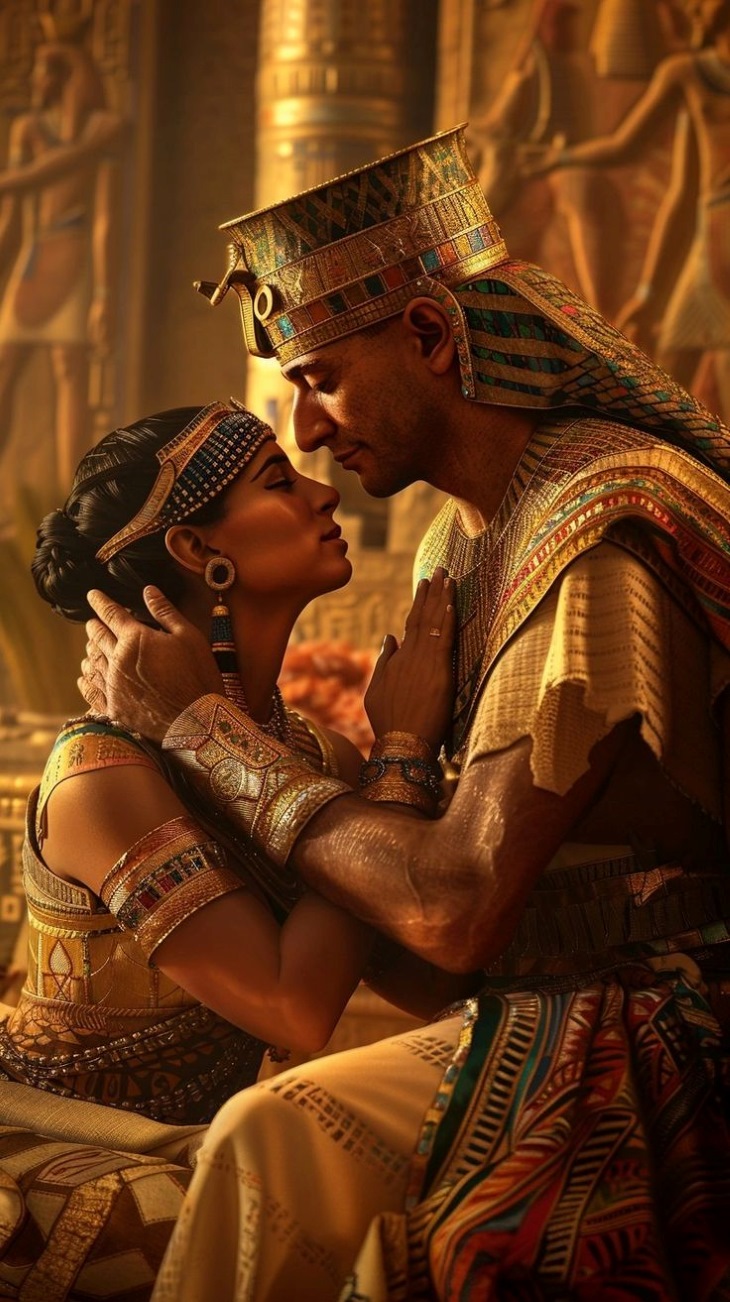
Marriage in Ancient Egypt was generally based on mutual agreement between families rather than formal religious ceremonies. Women typically married in their early teenage years, often between (12 and 16), depending on social status and region.
Family life was central to Egyptian society. Women usually managed the home and child-rearing, while men provided financial support through work and trade. Despite these traditional divisions, many historical records and inscriptions suggest that marriages were often based on affection, partnership, and mutual respect.
Divorce was legally possible for both genders and could involve the division of property or financial arrangements depending on the marriage agreement.
Education and Intellectual Life
Educational opportunities for women depended largely on social class. Elite and noble women sometimes received instruction in reading, writing, and religious knowledge, especially if they were connected to temples or royal households.
Most girls, however, were trained in domestic skills such as cooking, weaving, and household management. Literacy among women existed but was generally limited to higher social classes or religious roles.
Women involved in temple life or elite families had better access to intellectual and cultural education, allowing some to participate in religious texts and administrative tasks.
Beauty Standards and Cosmetic Culture
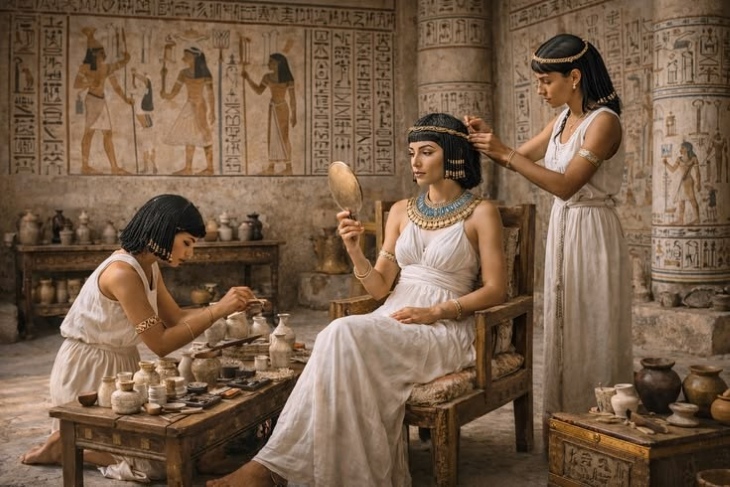
Beauty was an important part of Ancient Egyptian culture, and cosmetics played a central role in daily life for both men and women. Egyptian women were admired for elegance, harmony of appearance, and careful grooming rather than rigid beauty standards.
Common beauty practices included:
-Kohl eyeliner made from minerals like galena and malachite
-Perfumed oils and natural creams
-Henna used for hair and nails
-Wigs and intricate hairstyling
-Jewelry crafted from gold, turquoise, and lapis lazuli
Eye makeup had both aesthetic and practical purposes, as it was believed to protect against eye infections and reduce glare from the sun.
Appearance, Fashion, and Clothing
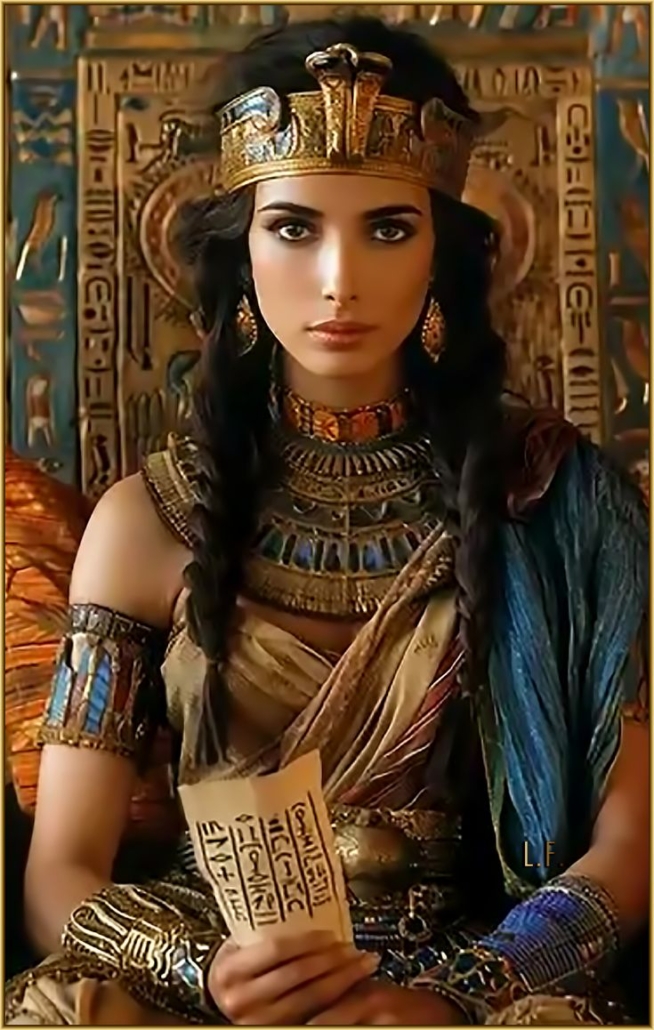
Women in Ancient Egypt are often depicted with graceful posture, smooth silhouettes, and dark hair—frequently styled or replaced with wigs. Clothing was typically made of lightweight linen, suitable for the hot climate.
Dresses were simple yet elegant, often fitted or pleated, and decorated with beads or fine detailing. Jewelry was not only decorative but also a symbol of wealth, status, and protection.
Status and Treatment in Society
Although Ancient Egypt was generally a patriarchal society, women enjoyed more rights and freedoms compared to many other ancient civilizations. They were recognized as legal individuals and participated in both family and economic life.
However, leadership and formal political authority were still predominantly male-dominated, with women’s roles largely centered around family, religion, and household management—except in rare but notable exceptions.
Conclusion
Women in Ancient Egypt lived in a society that offered a unique balance between tradition and independence. They contributed significantly to family life, economy, religion, and culture while also enjoying legal rights that were ahead of their time. From everyday workers to priestesses and even rulers, Egyptian women remain one of the most fascinating examples of female status and influence in ancient history.
Discover more about Egypt with Axatours
Get ready for the ultimate Egyptian adventure! With Axatours, we take you on exclusive, expertly curated tours of Egypt, designed to immerse you in the heart of Egypt’s rich culture and history. Our experienced team will guide you every step of the way, ensuring an unforgettable journey. For more details and exclusive offers, click the link here and start planning your dream trip!
Written by ATW May 2026.


